


Herbs have played a role in everyday comfort traditions for thousands of years. This collection draws on ten time-honored herbs — each with a rich history in folk herbalism — brought together in our handcrafted comfort products. Below, explore the traditional history and folklore behind each one.
10 HERBS USED FOR EVERYDAY COMFORT
Arnica (Arnica montana):
Arnica (Arnica montana), a medicinal herb used since the 1500s, has long been a popular homeopathic and topical remedy in traditional practice, historically valued for soothing muscle aches, easing inflammation, and supporting the healing of wounds. Its key compound, helenalin, was traditionally believed to drive an anti-inflammatory effect by calming the body's inflammatory response, historically used to ease swelling and discomfort from muscle soreness or bruising. Arnica's antiseptic and antimicrobial reputation, attributed to thymol and flavonoids, made it a traditional remedy believed to help support the healing of minor cuts, while its antioxidant reputation, via phenolic acids, was traditionally valued for protecting cells and supporting skin recovery. Its traditional immunomodulatory reputation was believed by folk herbalists to support the body's natural healing response.

Chamomile (Chamomilla recutita):
Chamomile (Chamomilla recutita) has long been recognized in traditional herbalism for its calming and soothing reputation, attributed to its anti-inflammatory, antispasmodic, and relaxing qualities. The herb's active compounds — apigenin, chamazulene, and bisabolol — gave it a traditional reputation for easing various types of discomfort, including historical folk use for menstrual cramps, muscle spasms, and joint discomfort. By traditionally reducing inflammation and relaxing muscles, chamomile was historically used to ease tension and discomfort, making it a traditional folk remedy for headaches and migraines. Its mild sedative reputation also made it a traditional choice believed to promote relaxation, which folk herbalists thought could indirectly support comfort by easing stress and improving sleep. Often prepared as a tea or applied topically as an essential oil, chamomile has long offered a gentle, traditional approach to everyday comfort with a reputation for minimal side effects.

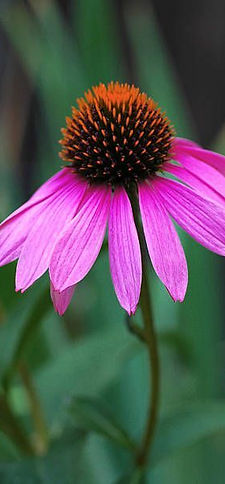
Echinacea (Echinacea purpurea):
Echinacea (Echinacea purpurea) is widely recognized in traditional herbalism for its immune-supporting reputation, and it also carries a traditional history of use for everyday comfort. The herb's active compounds — alkamides, polysaccharides, and caffeic acid derivatives — gave it a traditional reputation for easing discomfort associated with sore throats, headaches, and mild seasonal complaints. Its traditional anti-inflammatory reputation was believed to soothe discomfort from tissue irritation, while its traditional reputation for supporting comfort may have offered relief from minor aches and pains, according to folk use. Echinacea's traditional reputation for supporting immune function also made it a folk remedy many turned to during minor seasonal complaints. Commonly used in teas, tinctures, or capsules, echinacea has a long traditional history in natural wellness practices, though caution has traditionally been advised for those with autoimmune conditions or allergies to related plants.
Fennel Seed (Foeniculum vulgare):
Fennel seed is a flavorful herb with a long traditional history in herbalism, valued for compounds like anethole, fenchone, and flavonoids. These components gave fennel a traditional reputation for easing discomfort associated with digestive issues, such as bloating, gas, and abdominal cramps, believed to work by relaxing smooth muscles and easing spasms in the digestive tract. Fennel's traditional mild antispasmodic reputation also made it a folk remedy for easing menstrual cramps and muscle tension. Its traditional anti-inflammatory reputation was believed to help ease discomfort from minor inflammation. Commonly consumed as a tea, chewed directly, or used as a spice, fennel seed has long offered a gentle, traditional approach to comfort, particularly for digestive and menstrual discomfort — though traditional wisdom cautions against excessive use.

Hibiscus (Hibiscus sabdariffa):
Hibiscus is a vibrant herb with a celebrated traditional history, driven by its high levels of antioxidants, including anthocyanins, flavonoids, and phenolic compounds. These bioactive components gave hibiscus a traditional reputation for easing discomfort associated with joint and muscle aches, and menstrual cramps. Hibiscus's mild traditional reputation also extended to easing headaches and general discomfort, while its traditional muscle-relaxing and circulation-supporting reputation further contributed to its folk use for comfort. Often consumed as a tart, refreshing tea or used in extracts, hibiscus's traditional diuretic reputation was believed to ease swelling, indirectly supporting comfort linked to fluid retention. While generally well-regarded, traditional use has always called for caution among those with low blood pressure, with consultation with a healthcare provider advised.

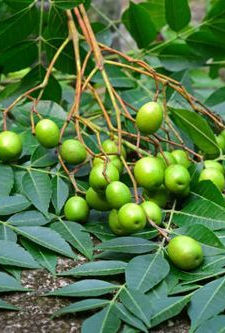
Neem (Azadirachta indica):
Neem has a long history in traditional Ayurvedic practice, valued for its potent compounds, such as nimbidin and nimbin. These were traditionally believed to ease discomfort associated with conditions like joint and muscle aches by soothing irritated tissue. Neem's traditional reputation also extended to easing minor headaches and injuries when applied topically as an oil or paste. Additionally, its traditional reputation for combating irritation was believed by folk herbalists to support the body's own healing process. Traditionally used in Ayurvedic medicine, neem is often applied externally or used in small, controlled traditional preparations as part of natural wellness practice.
Plantain (Plantago lanceolata):
Plantain (Plantago lanceolata) is a versatile herb with a long traditional history in folk herbalism, valued for its anti-inflammatory reputation and bioactive compounds like allantoin, aucubin, and flavonoids. Plantain has traditionally been used to help ease irritation and soothe tissue, offering folk relief from minor wounds, insect bites, and skin irritation. Its traditional analgesic reputation also extended to easing discomfort from bruises, sprains, and muscle soreness when applied topically as a poultice or salve. Additionally, plantain's traditional antimicrobial and astringent reputation was believed to support healing and help prevent discomfort linked to prolonged irritation. Traditionally used in herbal medicine, plantain is often applied externally or consumed as a tea as part of natural approaches to comfort and recovery.

Stinging Nettle (Urtica dioica):
Stinging nettle is a potent herb with a long traditional history, valued for bioactive compounds such as flavonoids and caffeic acid. These components gave nettle a traditional reputation for easing discomfort associated with joint stiffness and muscle aches. Its traditional analgesic reputation was also believed to help soothe discomfort from conditions like joint stiffness, while its traditional diuretic reputation was believed to ease swelling linked to fluid buildup. Often consumed as a tea, tincture, or applied topically after careful processing to neutralize its stinging hairs, nettle has long held a traditional reputation for supporting circulation and tissue recovery as part of natural wellness practices. Traditional use has always called for care due to potential allergic reactions.

Turmeric (Curcuma longa):
Turmeric is a powerful herb with a celebrated traditional history, prized for its active compound, curcumin. In traditional use, curcumin was believed to ease everyday inflammation and discomfort, including folk use for joint and muscle soreness. Its traditional analgesic reputation was also believed to help address discomfort from minor injuries, making it a popular natural remedy in folk practice. Additionally, turmeric's traditional antioxidant reputation was believed to support the body's natural tissue recovery process. Often consumed as a spice, tea, or supplement, or applied topically in traditional preparations, turmeric has long offered a versatile approach to everyday comfort, with traditional wisdom holding that its properties are enhanced when paired with black pepper.

Yarrow (Achillea millefolium):
Yarrow is a well-known herb in traditional herbalism, renowned for its rich content of flavonoids, sesquiterpene lactones, and volatile oils like chamazulene. These compounds gave yarrow a traditional reputation for easing discomfort associated with muscle aches, menstrual cramps, and joint discomfort. Yarrow's traditional analgesic reputation made it a folk remedy believed effective for soothing minor wounds, bruises, and sprains when applied topically as a poultice or salve, while its traditional antispasmodic reputation was believed to ease cramping and tension. Additionally, yarrow's traditional reputation for supporting circulation was believed to further contribute to comfort and healing. Traditionally used in herbal medicine, yarrow is often prepared as a tea, tincture, or topical preparation, though traditional wisdom has always advised caution due to potential allergic reactions in some individuals.


Discover the hidden benefits of herbs book series
The use of herbs for everyday comfort dates back thousands of years to ancient civilizations. Many cultures have relied on herbal traditions to address everyday discomfort, from headaches and joint stiffness to muscle soreness and minor injuries. Many herbs have held a place in folk practice for centuries as part of natural, traditional approaches to comfort, and historical use of herbs like turmeric, ginger, and others continues to be explored today. Today, many people continue to explore herbal traditions as part of a natural approach to everyday wellness, often alongside guidance from their healthcare provider.