

Herbs With A History

Herbs have played a role in skin comfort traditions for thousands of years. This collection draws on ten time-honored herbs — each with a rich history in folk herbalism — brought together in our handcrafted bath soak tea. Below, explore the traditional history and folklore behind each one.
Arnica (Arnica montana):
Arnica has long been valued in traditional practice for its anti-inflammatory and analgesic reputation, historically used to help soothe irritated skin. Its active compound, helenalin, was traditionally believed to ease swelling and redness, and folk herbalists traditionally used arnica to help calm the discomfort of minor irritations, insect bites, or allergic reactions. Arnica's traditional reputation for supporting circulation was also believed to aid the skin's natural recovery process.

Bee Propolis (Bee Glue)Bee:
Propolis, a resinous substance collected by bees, carries a long traditional history as a natural remedy for skin comfort, valued for its antimicrobial, anti-inflammatory, and healing reputation. Rich in flavonoids and phenolic compounds, it was traditionally believed to help combat the bacteria and fungi associated with skin irritation from infections or allergens. Its traditional anti-inflammatory reputation was believed to soothe redness and swelling, and propolis has traditionally been valued for supporting tissue repair, historically used to help skin recover from insect bites, minor wounds, or allergic reactions.

Burdock Root (Arctium lappa):
Burdock root is a time-honored herb in traditional herbalism, valued for its anti-inflammatory, antioxidant, and detoxifying reputation, historically used for skin comfort. Rich in compounds like arctiin and lignans, it was traditionally believed to soothe irritated skin, historically used as a folk remedy for discomfort from conditions like eczema or allergic reactions. Its traditional antioxidant reputation was believed to help protect skin from everyday environmental stress, and burdock root has long been valued in folk tradition for supporting the skin's natural cleansing process.

Chamomile (Chamomilla recutita):
Chamomile is a gentle herb long recognized in traditional herbalism for its anti-inflammatory, soothing, and calming reputation, historically used for skin comfort. Rich in compounds like chamazulene and bisabolol, chamomile was traditionally believed to calm irritated skin, historically valued for easing redness and discomfort associated with itching. Its traditional mild antihistamine-like reputation was believed to help with allergic-type skin reactions, such as those from insect bites, and chamomile's soothing reputation traditionally provided a cooling sensation, historically used to ease the urge to scratch.

Echinacea (Echinacea purpurea):
Echinacea is a well-known herb valued in traditional herbalism for its anti-inflammatory, antimicrobial, and immune-supporting reputation, historically used to aid skin comfort. Rich in compounds like alkamides and polysaccharides, it was traditionally believed to soothe irritated skin, historically used to help ease discomfort from allergic reactions, insect bites, or minor skin irritations. Its traditional antimicrobial reputation was believed to support a cleaner skin environment, and echinacea has long been valued in folk tradition for supporting the body's natural resilience.

Hibiscus (Hibiscus sabdariffa):
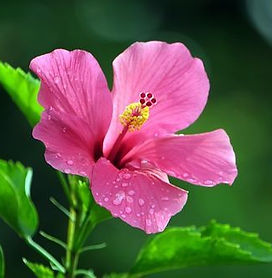
Hibiscus is a vibrant herb celebrated in traditional herbalism for its anti-inflammatory, antioxidant, and mildly exfoliating reputation, historically used for skin comfort. Rich in anthocyanins and vitamin C, hibiscus was traditionally believed to soothe irritated skin, historically used to help ease discomfort from dermatitis or allergic reactions. Its traditional antioxidant reputation was valued for helping protect skin from everyday environmental stress, and its natural acids gave hibiscus a traditional reputation for gentle exfoliation, historically believed to support smoother-feeling skin.
Marshmallow Root (Althaea officinalis):
Marshmallow root is a soothing herb long prized in traditional herbalism for its mucilaginous, anti-inflammatory, and emollient reputation, historically used for skin comfort. Rich in polysaccharides, it was traditionally believed to form a protective, gel-like layer on the skin, historically used to help lock in moisture and calm irritation. Its traditional anti-inflammatory reputation was believed to ease redness and swelling associated with itchy skin, and marshmallow root has long been valued in folk tradition for softening and hydrating dry, irritated skin.

Neem (Azadirachta indica):
Neem is a valued herb in traditional Ayurvedic practice, historically used for its anti-inflammatory, antimicrobial, and soothing reputation for skin comfort. Rich in compounds like nimbin and azadirachtin, neem was traditionally believed to calm irritated skin, historically used as a folk remedy for discomfort from conditions such as eczema or insect bites. Its traditional antibacterial, antifungal, and antiviral reputation was believed to help combat microbes associated with skin irritation, and neem's traditional moisturizing reputation was valued for helping maintain skin hydration.

Plantain (Plantago lanceolata):
Plantain is a well-regarded herb in traditional herbalism, valued for its anti-inflammatory, antimicrobial, and regenerative reputation, historically used for skin comfort. Rich in compounds like aucubin and allantoin, plantain was traditionally believed to soothe irritated skin, historically used as a folk remedy for discomfort from insect bites, rashes, or allergic reactions. Its traditional antimicrobial reputation was believed to help support a cleaner environment for skin recovery, and plantain's traditional astringent qualities were valued in folk practice for supporting the skin's natural healing process.

Rosehip (Rosa canina):
Rosehip is a cherished herb in traditional herbalism, valued for its anti-inflammatory, antioxidant, and nourishing reputation, historically used for skin comfort. Rich in vitamins C and A, as well as essential fatty acids, rosehip was traditionally believed to soothe irritated skin, historically used to help ease discomfort from dermatitis, allergic reactions, or dryness. Its traditional antioxidant reputation was valued for helping protect skin from everyday environmental stress, and rosehip's traditional moisturizing reputation was believed to help combat dryness, a common contributor to skin discomfort.


An informational book that introduces the Itch relief benefits that all natural herbs have to offer. Herbs have been used for Centuries to relieve itching due to their Anti-inflammatory, Antioxidant, Antibacterial and skin soothing properties. Herbal medicine, also known as phytotherapy or botanical medicine, has a rich and diverse history that spans thousands of years. The use of plants as medicines predates written human history, with archaeological evidence indicating that humans were using medicinal plants during the Paleolithic era, approximately 60,000 years ago.