

INFORMATION ON HERBAL
TOOTH & GUM ORAL CARE

10 HERBS USED FOR ORAL CARE

BENEFITS OF HERBS
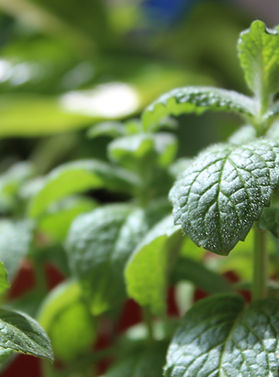


Horsetail (Equisetum arvense)
Horsetail (Equisetum arvense) boasts a remarkable array of properties that hold promising potential for oral health, rooted in its unique phytochemical composition. Its high silica content, a cornerstone of its therapeutic profile, acts as a vital mineral for fortifying connective tissues, strengthening gums, and fostering tissue repair within the oral cavity, while also aiding in enamel remineralization and the healing of oral wounds or ulcers. The plant’s anti-inflammatory compounds, particularly flavonoids, work to soothe gum inflammation, offering potential relief for conditions like gingivitis or periodontitis by calming swollen tissues. Additionally, horsetail’s mild antibacterial and antifungal properties combat oral pathogens, helping to curb plaque buildup, prevent cavities, and freshen breath by reducing harmful bacteria. Its astringent qualities further enhance its value, tightening gum tissues, minimizing bleeding, and promoting the healing of minor irritations, making horsetail a versatile herbal ally for maintaining a healthy mouth.
Oat straw (Avena sativa)
Oatstraw (Avena sativa), derived from the green stems and leaves of the oat plant, offers several potential benefits for oral health due to its rich nutrient profile and soothing properties. Its high content of calcium and silica supports the strengthening of teeth and gums, potentially aiding in enamel remineralization and promoting tissue repair for oral wounds or ulcers. These minerals may also enhance gum health, reducing the risk of conditions like gingivitis or periodontitis. Oatstraw’s anti-inflammatory compounds, such as avenanthramides, can help soothe inflamed gums, alleviating discomfort associated with oral irritations. Additionally, its mild antimicrobial properties may reduce oral pathogens responsible for plaque, cavities, and bad breath. The demulcent quality of oatstraw, which provides a soothing, coating effect, can moisturize and protect mucous membranes in the mouth, potentially easing dryness or soreness. Oatstraw can be used as a mouthwash (via a long-steeped infusion or diluted tincture) or incorporated into herbal toothpastes to support gum and tissue health.
Myrrh Gum (Commiphora molmol)
Myrrh gum (Commiphora molmol) is a powerhouse for oral health, revered for its multifaceted properties that promote a healthy mouth. Its robust antimicrobial action, driven by compounds like sesquiterpenes and terpenoids, effectively combats oral pathogens such as Streptococcus mutans and Porphyromonas gingivalis, reducing plaque buildup, preventing cavities, and freshening breath by curbing bacteria responsible for bad breath. The resin’s anti-inflammatory effects, attributed to its ability to inhibit pro-inflammatory cytokines, soothe irritated gums, making it a valuable ally for managing gingivitis and periodontitis. Myrrh’s astringent qualities tighten gum tissues, reduce bleeding, and promote healing of minor oral wounds, ulcers, or abrasions, enhancing overall gum resilience. Additionally, its mild analgesic properties provide relief from oral discomfort, such as toothaches or sore gums, offering a natural soothing effect. Myrrh can be used as a mouthwash (diluted tincture or infusion), incorporated into herbal toothpastes, or applied as a resin powder for targeted relief, making it a versatile addition to oral care routines.
Peppermint (Mentha piperita)
Peppermint (Mentha piperita) shines as a refreshing powerhouse for oral health care, its dynamic properties delivering a cascade of benefits to the mouth. Brimming with menthol and essential oils, peppermint’s potent antimicrobial action battles oral pathogens, helping to reduce plaque, prevent cavities, and freshen breath with its crisp, invigorating aroma. Its anti-inflammatory compounds, like flavonoids, gently calm swollen gums, easing discomfort from irritations or gum sensitivity. The cooling touch of menthol provides analgesic relief, soothing toothaches or tender oral tissues, while its mild astringent qualities tighten gums, potentially reducing bleeding and supporting a resilient oral environment. Whether sipped as a tea-based mouthwash, blended into natural toothpastes, or carefully applied as diluted essential oil, peppermint’s vibrant essence enlivens oral care routines, offering a natural, refreshing boost to mouth health, though it should be used thoughtfully to avoid irritation and always as a complement to professional dental care.
Bee Propolis (Bee glue)
Bee propolis, a resinous treasure crafted by honeybees, emerges as a potent elixir for oral health care, its rich composition delivering a symphony of benefits to the mouth. Laden with flavonoids, phenolics, and antimicrobial compounds, propolis wields powerful antibacterial and antifungal properties, fiercely combating oral pathogens to reduce plaque, thwart cavities, and freshen breath with its subtle, resinous warmth. Its anti-inflammatory nature, driven by bioactive compounds, soothes irritated gums, easing swelling and discomfort associated with sensitive or inflamed oral tissues. Propolis also acts as a natural analgesic, gently alleviating pain from toothaches, ulcers, or minor oral wounds, while its astringent qualities tighten gum tissues, potentially curbing bleeding and fostering a resilient oral environment. Whether applied as a diluted tincture in a mouth rinse, incorporated into natural toothpastes, or used sparingly as a topical resin, propolis’s multifaceted gifts invigorate oral care routines, offering a robust, natural shield for mouth health.
Yarrow (Achillea millefolium)
Yarrow (Achillea millefolium) offers several potential benefits for oral health due to its anti-inflammatory, antimicrobial, and astringent properties. Its flavonoids and sesquiterpene lactones can reduce gum inflammation, potentially aiding conditions like gingivitis, while its antibacterial and antifungal effects, driven by compounds like cineole and chamazulene, may help combat oral bacteria responsible for plaque, cavities, and bad breath. Yarrow’s astringent qualities can tighten gum tissues and promote healing of minor oral wounds or ulcers, and its mild analgesic properties may ease discomfort from toothaches or sore gums. It can be used as a mouthwash (yarrow tea or diluted tincture), a poultice for sores, or in herbal toothpastes. However, caution is advised: yarrow may cause allergic reactions in those sensitive to Asteraceae plants, should be diluted to avoid irritation, and requires consultation with a dentist, especially for those with medical conditions or pregnancy.
St. John’s wort ( Hypericum perforatum)
St. John’s Wort (Hypericum perforatum) emerges as a radiant herbal ally for oral health care, its potent compounds weaving a tapestry of benefits for the mouth. Rich in hypericin, flavonoids, and other bioactive elements, it boasts antimicrobial properties that combat oral pathogens, helping to reduce plaque, deter cavities, and freshen breath with its subtle, earthy essence. Its anti-inflammatory qualities, driven by potent phytochemicals, gently soothe inflamed gums, easing discomfort from irritation or sensitivity. The herb’s mild analgesic effects offer relief from toothaches or minor oral wounds, providing a calming touch to tender tissues. Additionally, its astringent nature may tighten gum tissues, potentially reducing bleeding and fostering a resilient oral environment. Whether used as a diluted tincture in a mouth rinse, infused into herbal toothpastes, or applied sparingly as a topical preparation, St. John’s Wort’s vibrant gifts enliven oral care routines, offering a natural, supportive boost to mouth health.
Usnea (Usnea barbata)
Usnea (Usnea barbata), a lichen celebrated for its potent medicinal qualities, stands as a remarkable ally in oral health care, its distinctive compounds weaving a symphony of benefits for the mouth. Infused with usnic acid and an array of bioactive elements, Usnea delivers powerful antimicrobial action, vigorously targeting oral pathogens to diminish plaque, prevent cavities, and freshen breath with its subtle, forest-like essence. Its anti-inflammatory properties, fueled by natural constituents, gently calm irritated gums, easing swelling and discomfort associated with oral sensitivities. Usnea’s mild analgesic effects offer soothing relief, tempering pain from toothaches or minor oral wounds, while its astringent qualities tighten gum tissues, potentially reducing bleeding and cultivating a resilient oral landscape. Whether incorporated as a diluted tincture in a mouth rinse, blended into herbal toothpastes, or applied cautiously as a topical preparation, Usnea’s vibrant gifts enliven oral care routines, providing a natural, fortifying shield for mouth health.
Plantain (Musa paradisiaca)
Plantain (Musa paradisiaca), the starchy cousin of the banana, emerges as a nourishing ally in oral health care, its rich nutritional profile and bioactive compounds delivering a cascade of benefits to the mouth. Packed with vitamins like A and C, as well as minerals such as potassium, plantain offers anti-inflammatory properties that gently soothe irritated gums, easing swelling and discomfort associated with oral sensitivities. Its antimicrobial qualities, derived from natural compounds like phenolics, help combat oral pathogens, reducing plaque buildup, supporting cavity prevention, and freshening breath with its mild, earthy sweetness. Plantain’s astringent nature, stemming from tannins, tightens gum tissues, potentially curbing bleeding and fostering a resilient oral environment. Additionally, its nutrient-dense composition may support tissue repair, aiding in the healing of minor oral wounds or ulcers. Whether used as a diluted infusion in a mouth rinse, incorporated into herbal oral care formulations, or applied sparingly as a mashed poultice, plantain’s wholesome gifts invigorate oral care routines, providing a natural, supportive shield for mouth health
Burdock Root (Arctium lappa)
Burdock root (Arctium lappa), a robust and earthy herb prized for its detoxifying and nutritive qualities, emerges as a powerful ally in oral health care, its rich blend of bioactive compounds weaving a nurturing tapestry of benefits for the mouth. Laden with inulin, flavonoids, and phenolic acids, burdock root boasts antimicrobial properties that combat oral pathogens, helping to reduce plaque, deter cavities, and freshen breath with its subtle, herbal warmth. Its anti-inflammatory effects, driven by potent antioxidants, gently soothe irritated gums, easing swelling and discomfort tied to oral sensitivities or mild gingivitis. Burdock’s detoxifying nature supports a balanced oral microbiome by clearing toxins and impurities, fostering a cleaner environment for healthier teeth and gums. Additionally, its astringent qualities, derived from tannins, tighten gum tissues, potentially reducing bleeding and promoting a resilient oral landscape. Whether steeped as a tea for a mouth rinse, incorporated into herbal toothpastes, or used sparingly as a diluted extract.


Discover the hidden Benefits of Herbs Book series
The use of herbs for tooth and gum oral health dates back thousands of years to ancient civilizations. In many cultures, herbs were used to prevent and treat various oral health issues, such as tooth decay, gum disease, and mouth sores. During the Middle Ages, herbal remedies continued to be used for oral health. Herbs like chamomile, lavender, and peppermint were used to treat toothaches and gum disease. As dentistry evolved, herbal remedies were replaced by modern dental treatments. However, some herbal remedies continued to be used, such as licorice root for tooth decay and gum disease.

